I recommend a graded stretching strap for patients with limited range of motion; I’ve seen evidence that controlled leverage, consistent positioning, and numbered loops allow safer, measurable gains in joint mobility. Its non-elastic nylon and neoprene handles reduce strain and improve tolerance. If you’d like practical guidance on safe use, contraindications, and selecting the right length, keep going—there’s more to consider.
Product Features and Design
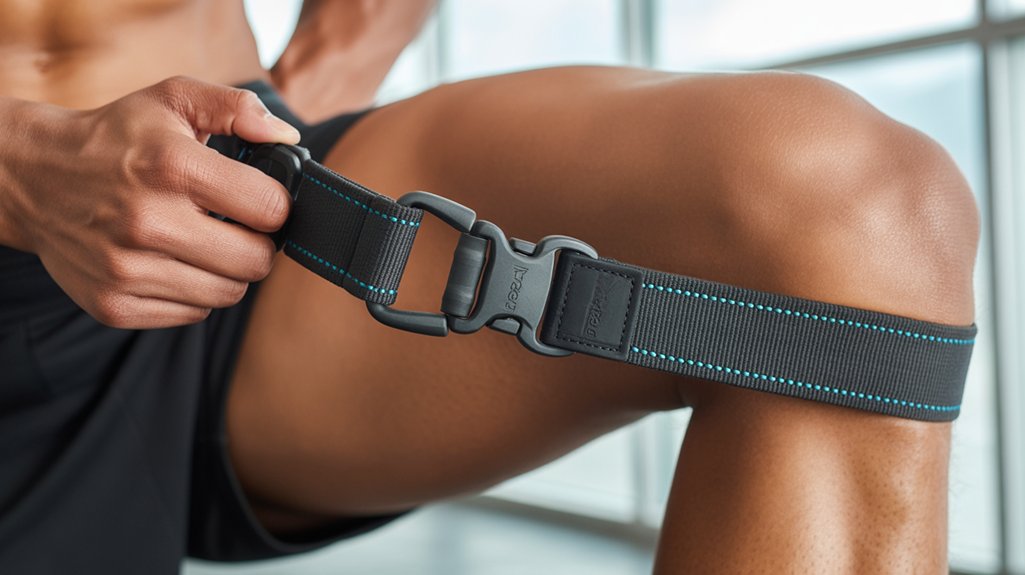
I describe a non-elastic nylon stretching strap available in 78-inch (10-loop) and 96-inch (12-loop) models, designed to provide graded leverage and precise positioning during therapy and yoga; numbered loops and ultra-comfort neoprene handles let patients self-monitor range and adjust tension reliably, while the 1.5-inch width and reinforced construction ensure durability and stable load transfer.
The product also includes a carry bag and a basic stretching guide to support safe, reproducible home exercises.
I note the strap design optimizes loop functionality for graded assistance, allowing you to quantify progress, reduce injury risk, and reproduce therapeutic positions precisely across sessions reliably.
Health Benefits and Rehabilitation Uses
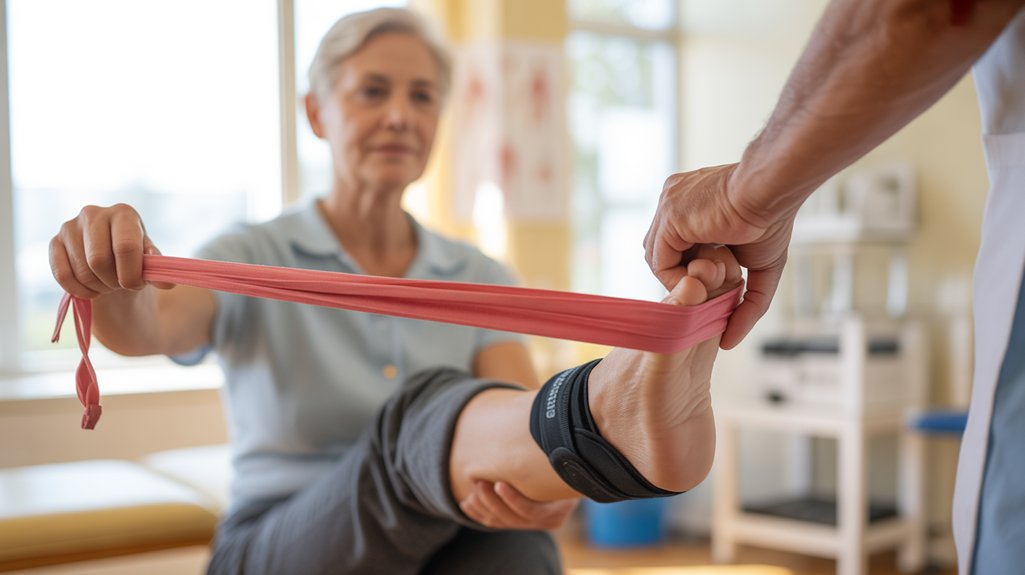
Building on the strap’s precise looped design, patients can use graded leverage and consistent hand placement to safely increase range of motion, restore joint mobility, and standardize home-based therapeutic routines.
I recommend integrating this device into multidisciplinary plans because randomized and observational studies support progressive stretching for tendon and capsular recovery, reduced pain, and improved function.
You and I can track progress objectively using loop numbering and range measurements, aligning goals with clinicians and physical therapists.
As a patient-centered adjunct, it complements established rehabilitation techniques and structured flexibility training, enhancing adherence, measurable outcomes, and return-to-activity timelines, measurably within weeks.
How to Use the Stretching Strap Safely

When you begin using the strap, I’ll focus on practical safety principles grounded in evidence to minimize risk and maximize gains.
I instruct patients to warm up five to ten minutes, choose an appropriate loop, and progress gradually. I emphasize controlled breathing, avoid ballistic motions, and stop with sharp pain.
I document baseline range of motion, set measurable goals, and monitor tolerance. My safety tips include checking strap integrity and using padded handles for comfort.
I teach specific stretching techniques—static holds of 30 to 60 seconds and active-assisted movements—to improve flexibility while protecting tissues and reduce recurrence risk overall.
Comparing Lengths, Colors, and Accessories

Choosing the correct strap length and accessories influences safety, biomechanics, and rehabilitation outcomes.
I evaluate length differences — 78-inch (10 loops) versus 96-inch (12 loops) — selecting longer straps for taller patients or greater range-of-motion, shorter for controlled leverage.
I consider color preferences only when they affect adherence and motivation, noting blue, green, red options.
Clinically, numbered loops and neoprene handles improve consistency and comfort; a carry bag and instructional guide support home exercise adherence.
I recommend matching strap length and accessories to patient anthropometry, surgical status, and functional goals to optimize outcomes and ensure safety.
Customer Reviews, Ratings, and Value
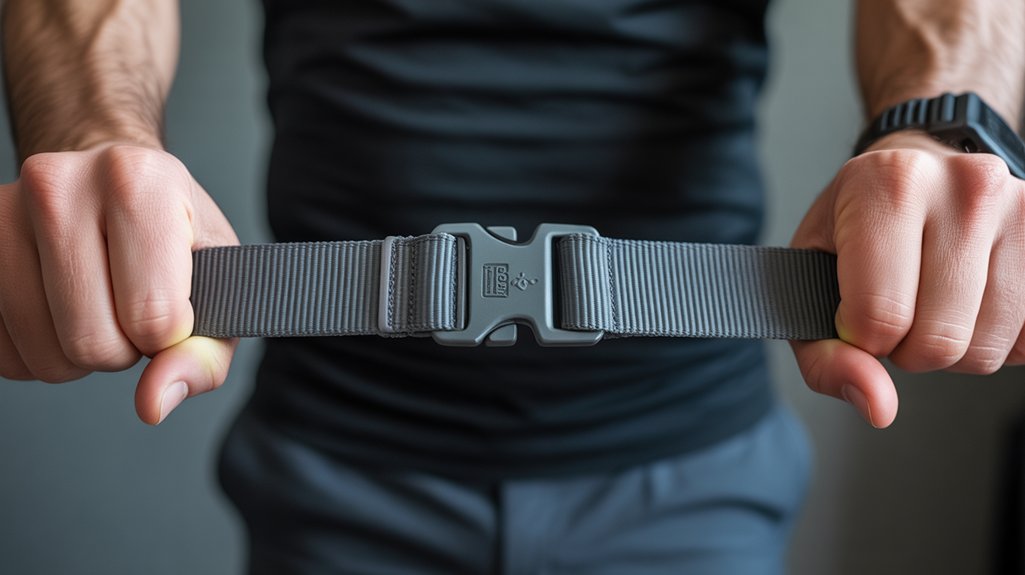
How reliable are the customer ratings, and how would I interpret them for clinical decisions?
I review aggregated metrics—4.7/5 from 7,836 reviews and low return rates—and weigh study-quality parallels, consistency, and bias risk.
I prioritize patient-centered outcomes: ease of use, durability, and reported improvements in flexibility and recovery. High customer satisfaction supports real-world effectiveness but doesn’t replace controlled trials.
For procurement, I perform a value comparison against alternatives considering price, features, and sales velocity.
I’d recommend trials with objective measures in my practice, monitor patient feedback, and reassess purchasing if adverse signals emerge and document outcomes systematically for accountability.
Conclusion
I’m recommending the revolutionary stretching strap as a practical, evidence-informed adjunct to flexibility and rehabilitation programs. Based on design features — nonelastic nylon, neoprene handles, numbered loops and multiple lengths — I find it facilitates graded, repeatable stretches and objective progress tracking while minimizing risk when used per guidance. I encourage you to integrate it into therapy or home routines, monitor tolerance safely, and consult your clinician to tailor use to your specific joint and mobility goals.