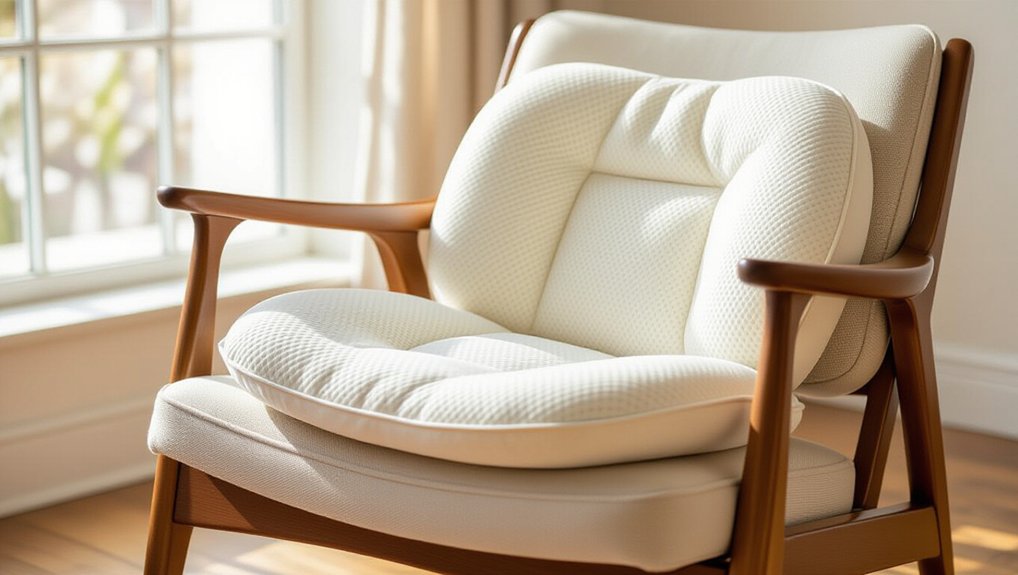
Ergonomic seat cushions have been shown to redistribute weight, reduce pressure on the tailbone and hips, and support spinal alignment. Clinical and user studies favor viscoelastic foams and gel inserts for sustained comfort. Consumers benefit when product features align with specific use cases. Practical selection criteria, certifications, and care guidance follow to help match cushions to individual needs.
Why Ergonomic Seat Cushions Matter
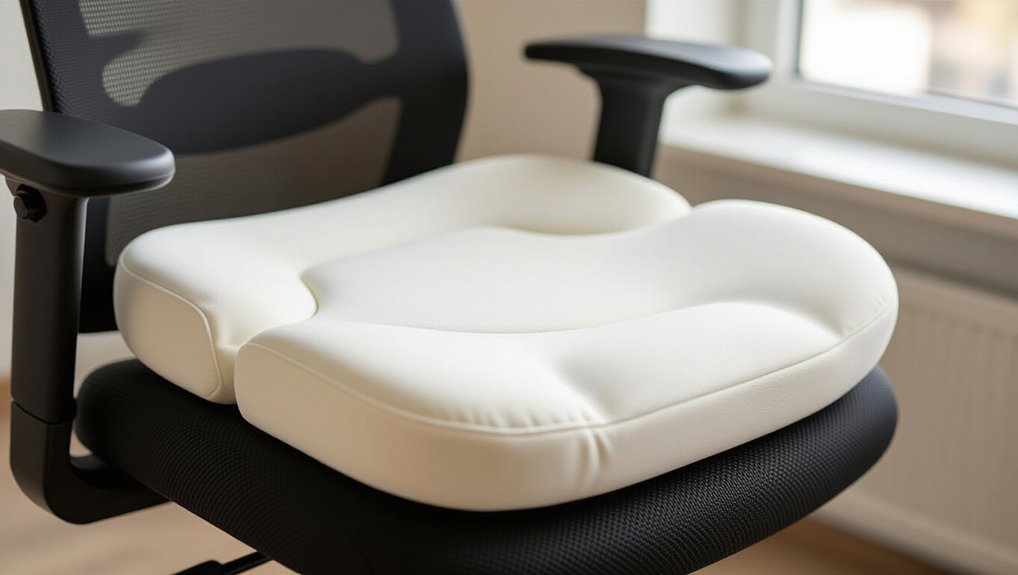
Because prolonged sitting increases pressure on the lower spine and pelvis, ergonomic seat cushions are designed to redistribute weight and reduce strain on the tailbone, hips and sciatic nerve.
Evidence indicates targeted cushioning can decrease localized pressure, lower reported discomfort, and support functional alignment. Users experience measurable health benefits including reduced pain episodes and improved sitting tolerance during work or travel.
Clinicians recommend cushions as adjuncts to active interventions, noting modest gains in posture improvement and comfort.
Selection should reflect individual anthropometrics and use patterns; outcomes are optimized when cushions complement ergonomic seating strategies and periodic movement and exercise.
Key Features to Look for in a Seat Cushion
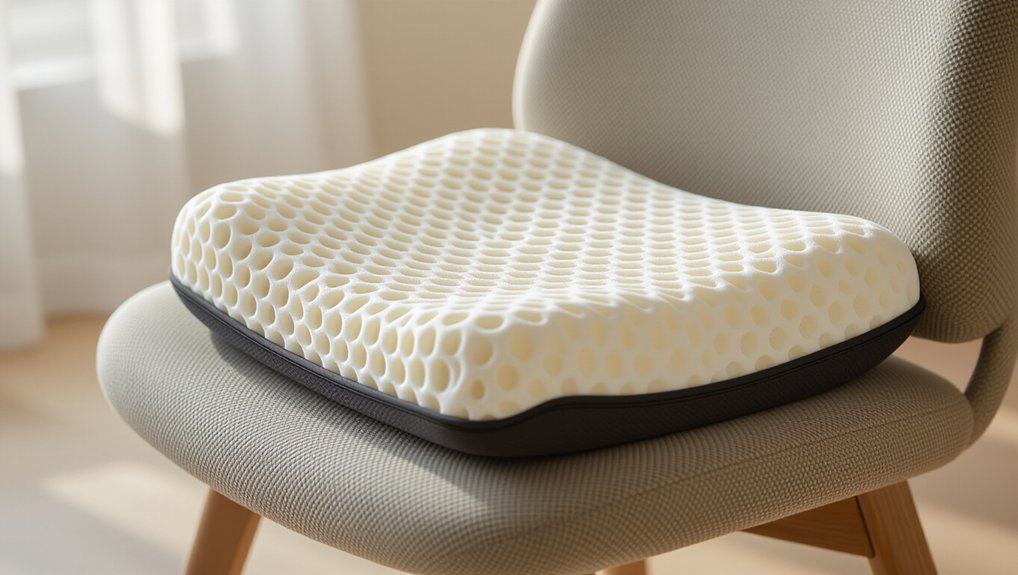
Given that ergonomic cushions redistribute pressure on the lower spine and pelvis, selecting an appropriate model requires consideration of material density, contour design, and surface characteristics that affect support and comfort.
Evaluations prioritize filling materials such as gel, memory foam, or high-density foam assessed for resilience and heat management.
Contour geometry should align with pelvic anatomy to reduce localized loading. Cushion thickness must balance pressure redistribution with seat ergonomics and vehicle or chair compatibility.
Covers with breathable, washable fabrics and anti-slip bases enhance usability.
Evidence-based product selection focuses on measurable support, durability, and user-reported relief rather than marketing claims.
Choosing the Right Cushion for Your Needs
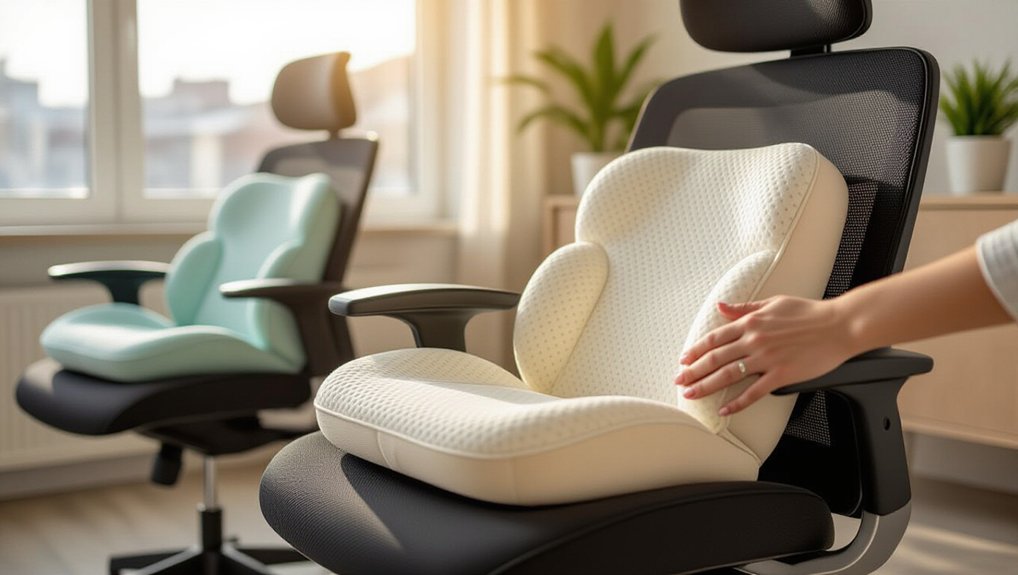
How should one select an ergonomic seat cushion to match specific needs?
One evaluates body type, primary use (office, travel, gaming), and pain points. Then, compare cushion materials—memory foam, gel, or hybrid—for firmness, heat management, and durability.
Measure seat dimensions against cushion sizes and verify anti-slip features.
Consult user reviews focusing on long-term comfort, pressure relief, and real-world sizing.
Consider medical recommendations for chronic conditions and trial or return policies to mitigate risk.
Prioritize certified quality, appropriate thickness, and maintenance requirements to ensure sustained support and fit for intended daily duration and individual mobility limitations for personalized seating outcomes.
Sustainability and Safety Certifications
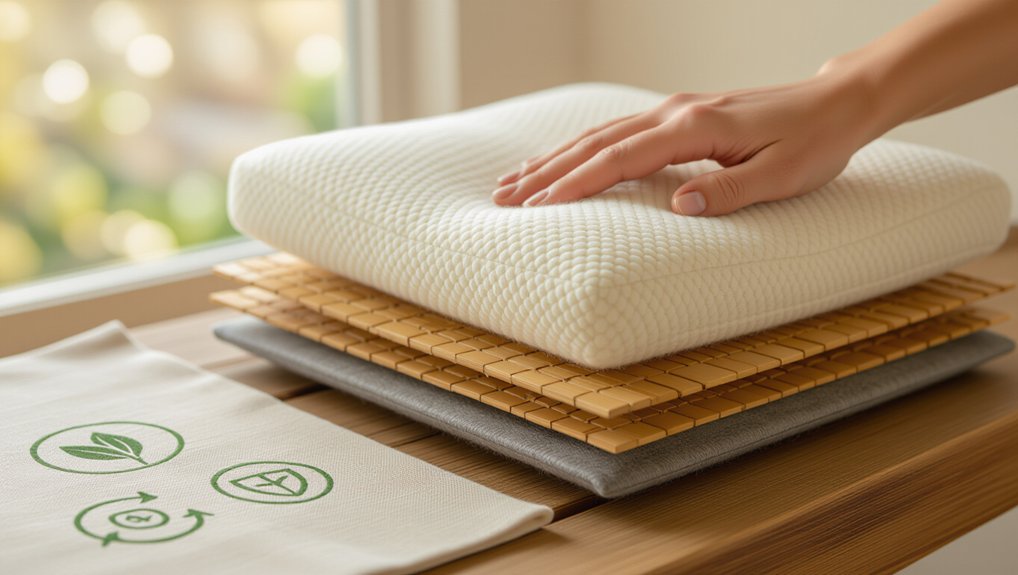
Trust in material safety and environmental responsibility is central to evaluating ergonomic seat cushions. Buyers prioritize certification importance as objective verification of low chemical exposure and sustainable sourcing.
Independent standards such as OEKO-TEX STANDARD 100, which tests for over 1,000 substances and publishes identifiers (e.g., 23.HCN.45853), offer transparent reassurance. Product descriptions referencing certified eco friendly materials and independent assessment timetables support informed selection.
Emphasizing documented testing, updated science-based criteria, and clear labeling aligns with user needs for health, durability, and environmental impact. Clear certification claims reduce ambiguity and enable comparative evaluation across price tiers and use cases.
Purchase decisions.
Tips for Caring for Your Seat Cushion
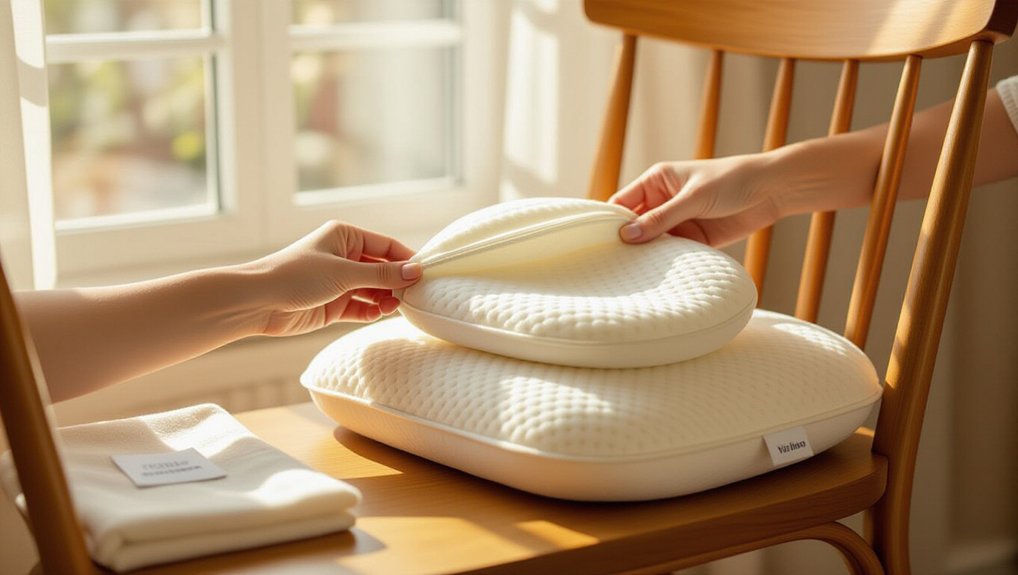
A gel memory foam cushion requires routine maintenance to preserve support and hygiene.
Users should follow manufacturer instructions: remove covers for machine washing when permitted, spot-clean foam with mild detergent and air-dry; avoid submersion or heat which degrades structure.
Rotate and air the cushion regularly to disperse pressure and moisture, reducing microbial growth. Use an anti-slip base or chair to minimize shear and maintain shape.
Documented cleaning methods improve hygiene without compromising integrity. Regular inspection for indentations or odors signals replacement time.
These measures optimize comfort, cushion longevity, and performance for varied daily environments.
Follow evidence-based care schedules consistently.
Conclusion
Ergonomic seat cushions demonstrably reduce pressure and support spinal alignment, improving comfort and task endurance across settings. Users benefit when selecting cushions with pressure-relieving materials, proper contouring, and validated safety certifications. Matching cushion features to individual needs—sitting duration, body shape, and mobility—optimizes outcomes. Regular cleaning and adherence to manufacturer care preserves performance. Overall, evidence supports integrating ergonomic cushions as a practical, user-centered strategy to mitigate discomfort and promote healthier sitting habits and sustained productivity gains.