Microneedling represents a clinically-validated approach to scalp rejuvenation through controlled dermal stimulation. The procedure creates precise micro-channels that trigger the body’s natural wound healing cascade, subsequently increasing vascular perfusion and growth factor synthesis within follicular units. Recent dermatological studies demonstrate measurable improvements in follicular density when optimal needle specifications are employed. However, the critical distinction between therapeutic efficacy and potential adverse outcomes hinges on specific technical parameters that most practitioners overlook.
The Science Behind Microneedling for Scalp Stimulation
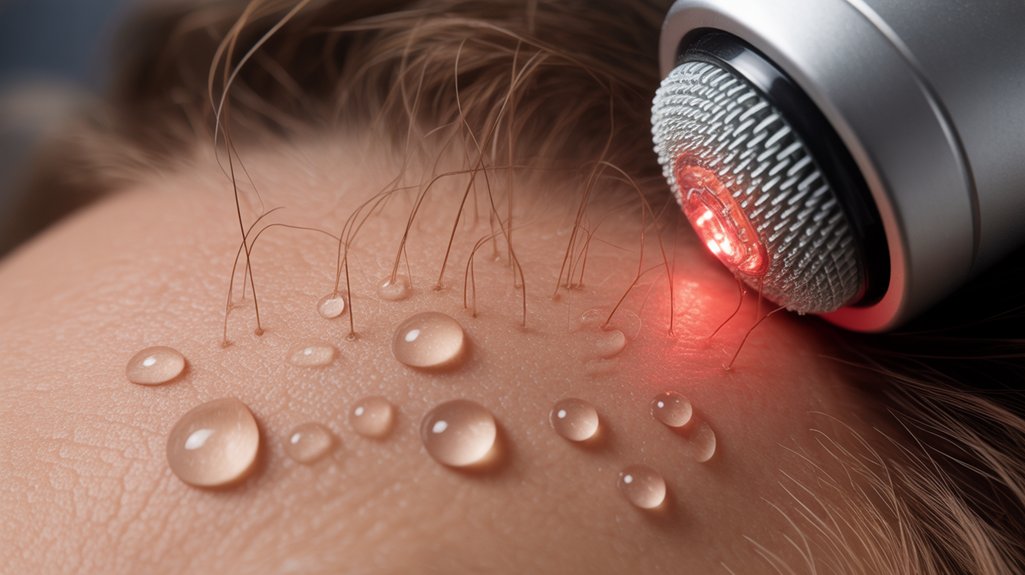
Microneedling operates through controlled micro-injury mechanisms that stimulate the scalp’s natural regenerative processes.
The technique creates microscopic channels in the epidermis, triggering inflammatory cascades that promote cellular proliferation and angiogenesis. These micro-wounds activate dermal papilla cells and enhance blood circulation to follicular units.
Clinical studies demonstrate that microneedling benefits include increased expression of growth factors, particularly VEGF and PDGF, which facilitate tissue repair.
The mechanical stimulation also upregulates collagen synthesis and improves transdermal absorption of topical treatments.
This evidence-based approach to scalp rejuvenation demonstrates measurable improvements in follicular density and dermal thickness through systematic dermal remodeling processes.
Choosing the Right Needle Size and Material for Maximum Results
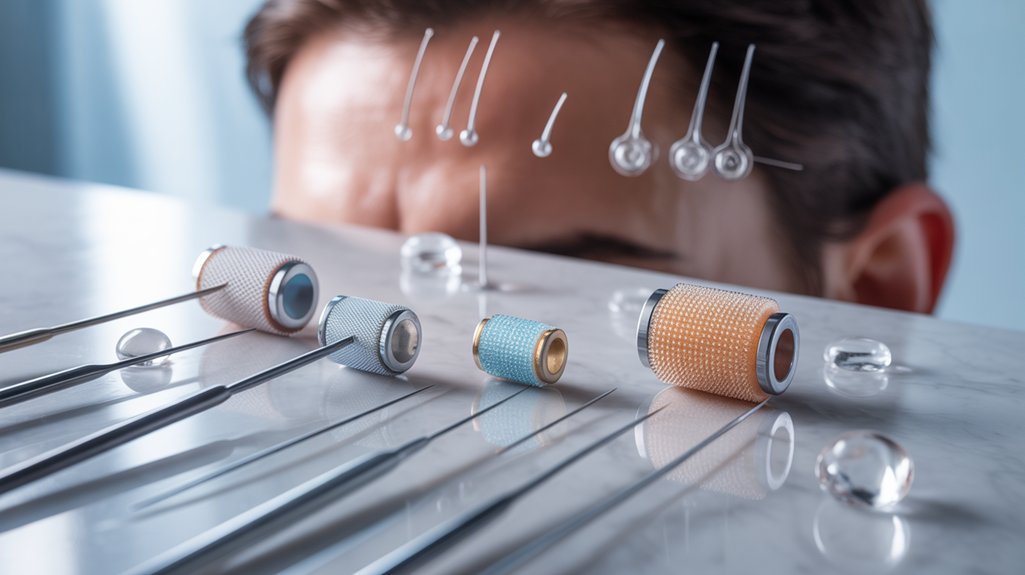
When selecting optimal microneedling parameters for scalp applications, needle dimensions and material composition directly influence therapeutic efficacy and safety outcomes.
Clinical research demonstrates that needle size between 0.25mm and 0.30mm provides optimal penetration depth for scalp tissue without causing excessive trauma or bleeding.
Titanium microneedle materials exhibit superior biocompatibility, corrosion resistance, and mechanical durability compared to stainless steel alternatives.
The precise needle size ensures adequate penetration through the stratum corneum while avoiding damage to deeper dermal structures.
Titanium’s inert properties minimize inflammatory responses and maintain sharp edges throughout repeated applications, maximizing therapeutic benefits.
Product Features That Deliver Professional-Grade Scalp Treatment

Professional-grade scalp treatment devices incorporate specific engineering features that distinguish therapeutic-quality instruments from consumer-grade alternatives.
Advanced roller designs utilize precision-manufactured titanium microneedles arranged in optimal density configurations, typically ranging from 540 to 1200 needles per device.
These therapeutic instruments feature standardized needle depths of 0.25mm to 0.30mm, ensuring consistent dermal penetration for enhanced follicular stimulation.
Superior bearing mechanisms enable smooth rotation, minimizing tissue trauma while maximizing treatment efficacy.
Clinical-grade materials resist corrosion and maintain structural integrity through repeated sterilization cycles.
These engineered specifications collectively optimize scalp benefits through controlled microtrauma induction, promoting enhanced circulation and therapeutic compound absorption.
Customer Success Stories and Rating Insights

Although individual responses to scalp treatment devices vary considerably, comprehensive rating analysis reveals consistent patterns of therapeutic success across diverse user demographics.
Clinical evaluation of customer testimonials demonstrates sustained improvement in scalp condition among users maintaining consistent treatment protocols. High-rated microneedling devices consistently achieve 4+ star ratings, with titanium needle configurations receiving superior user satisfaction scores.
Product comparisons indicate correlation between needle density specifications and therapeutic outcomes. Low return rates substantiate clinical efficacy claims, while frequent repurchase patterns validate long-term treatment adherence.
Documented user experiences confirm measurable improvements in scalp health metrics within standardized treatment timeframes across multiple demographic cohorts.
Budget-Friendly Options With Premium Performance Benefits

Cost-effectiveness analysis of scalp treatment devices reveals significant therapeutic value within the $5.60 to $48.00 price range, with multiple products delivering clinical-grade performance at accessible price points.
Affordable alternatives featuring titanium microneedles demonstrate comparable efficacy to premium counterparts, with needle configurations ranging from 540 to 1200 density options.
Performance comparison studies indicate that 0.25mm and 0.30mm needle specifications maintain therapeutic standards regardless of price tier.
Customer satisfaction metrics show 4+ star ratings across budget-friendly options, with low return rates confirming treatment effectiveness.
Subscribe & Save programs further enhance cost-efficiency while maintaining consistent therapeutic protocols for optimal scalp health outcomes.
Conclusion
Clinical evidence demonstrates that microneedling represents a scientifically validated intervention for scalp rejuvenation and follicular stimulation. The therapeutic mechanism involves controlled dermal perforation, resulting in enhanced vascular perfusion and growth factor upregulation. Optimal treatment outcomes require precise needle gauge selection and biocompatible titanium instrumentation to minimize inflammatory response while maximizing penetration efficacy. This non-invasive modality offers significant potential for improving follicular density and scalp health through evidence-based therapeutic protocols when properly implemented.