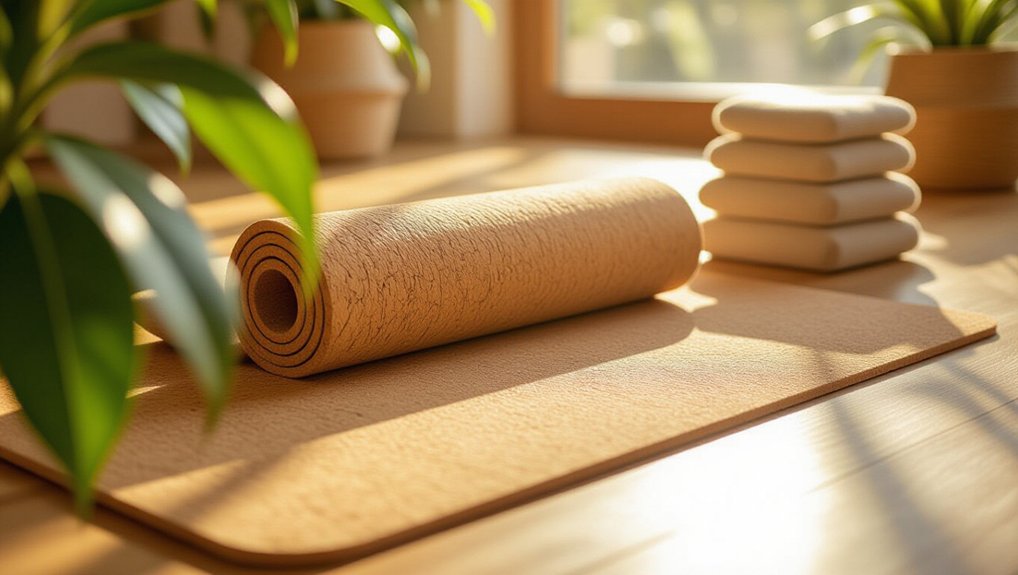
A well-made eco-friendly TPE yoga mat improves alignment, grip, and joint protection for daily practice. It supports routines from gentle stretches to dynamic flows while reducing environmental impact. Clear guidance on rippled non-slip surfaces, 6mm cushioning, care, and carbon-free certification follows to help determine the best long-term choice…
Benefits of an Eco-Friendly TPE Yoga Mat
An eco-friendly TPE yoga mat offers a practical combination of performance and sustainability: its TPE composition provides a non-toxic, recyclable alternative to PVC while delivering a rippled, non-slip surface and 6mm cushioning that protects joints during yoga, Pilates, and calisthenics.
Lightweight, portable dimensions make it travel-ready, and certified carbon measurement and offsetting (Carbonfree Certified via ClimeCo) ensure purchasers reduce lifecycle emissions, supporting environmentally responsible choices without sacrificing durability or comfort.
Users are encouraged to note TPE advantages: non-toxic composition, recyclability, lightweight portability, and durable cushioning that supports joints.
For an eco-friendly workout, choose this mat with confidence today.
How the Non-Slip Rippled Design Enhances Stability
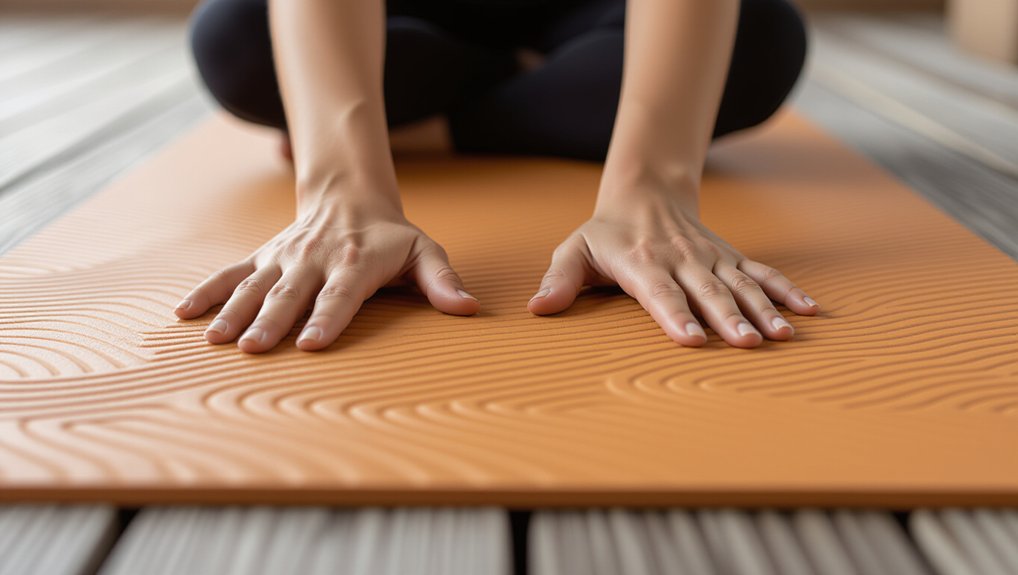
Building on the mat’s TPE comfort and sustainability, attention now turns to how the rippled, non-slip surface improves balance and control.
The rippled pattern increases friction underfoot, guiding proper weight distribution and reducing micro-slips during transitions. Users are advised to adopt simple grip techniques—anchoring toes and engaging arches—to capitalize on traction.
The combination of engineered surface materials and textured geometry stabilizes hands and feet without sticky residues. For practitioners seeking more confidence in standing poses and flows, consistent use trains proprioception and alignment.
Regular cleaning preserves texture and long-term grip performance. Inspect regularly for wear to maintain safety effectively.
Best Exercises for This Mat: Yoga, Pilates, and Calisthenics
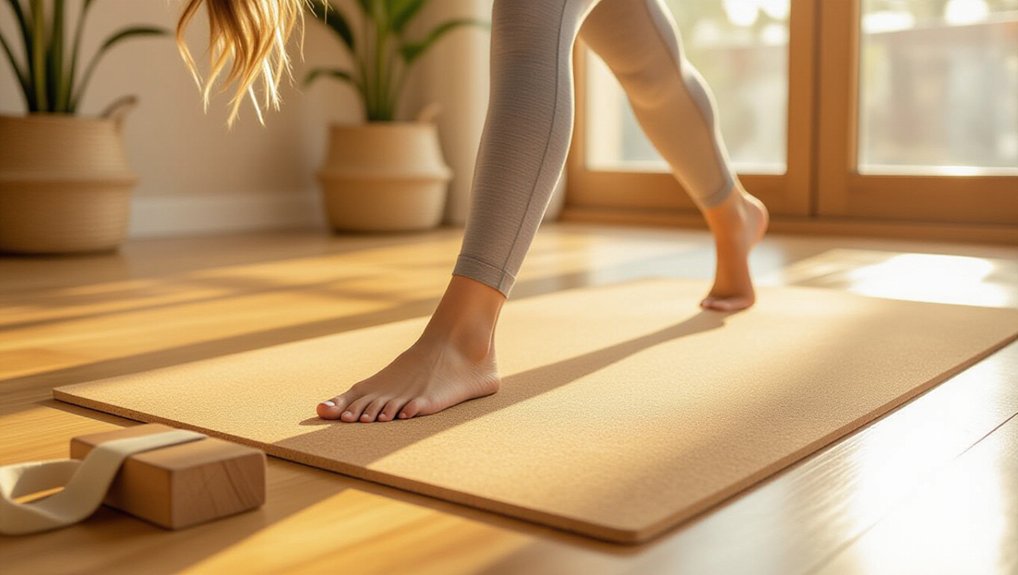
Many practitioners will find this TPE mat ideal for a range of workouts—yoga, Pilates, and calisthenics—because its 6mm cushioning and rippled non-slip surface balance joint protection with stable traction.
Instructors recommend a progression: begin with foundational yoga poses, focusing on alignment using the laser guides; advance to dynamic Pilates routines, emphasizing core engagement and controlled breathing; and incorporate calisthenics movements such as planks, push-ups, and mobility drills that benefit from the mat’s grip.
For each session, prioritize form, steady transitions, and measured intensity to reduce injury risk and maximize strength, flexibility, and balance gains over weeks for consistent improvement.
Caring for Your Mat: Cleaning, Drying, and Storage Tips
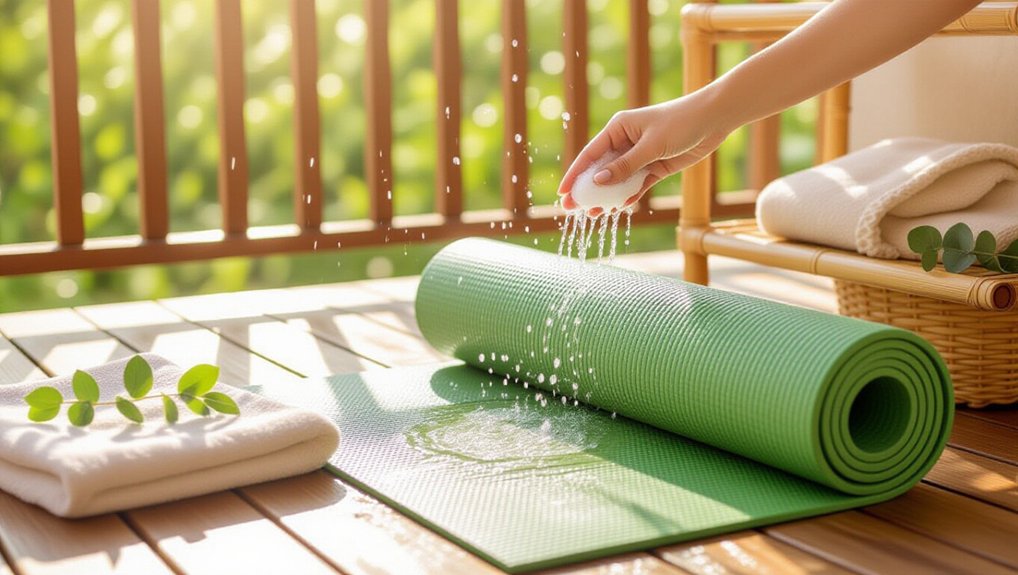
Care ensures longevity and performance: users should wipe the TPE surface after each session with a damp cloth to remove sweat and debris, avoid soaking the mat or using harsh chemicals or solvents, air-dry it flat or draped (never in direct sunlight or near heat sources), and store it loosely rolled in a cool, dry place or in a carry strap to prevent creasing and compression.
Periodic deep cleaning can use mild soap and water with soft cloths; choose gentle cleaning materials and rinsing.
Follow drying techniques that ensure full air circulation before storage and inspect for wear regularly.
Sustainability Credentials: Carbonfree Certification and Lifecycle Offsets
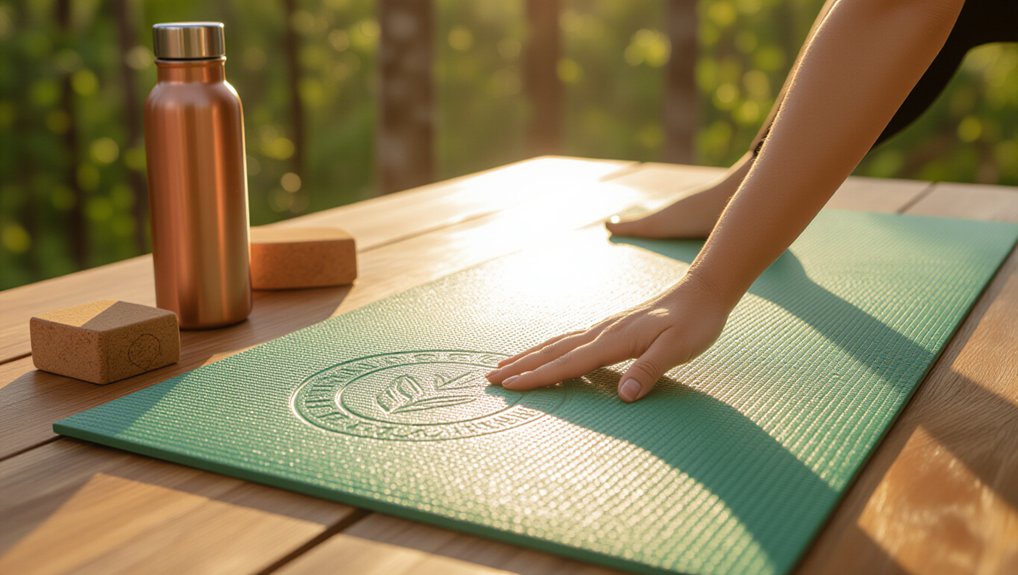
Although the mat’s environmental impact is often overlooked, the Carbonfree Certification verifies that its cradle-to-grave carbon footprint was measured, reduced where feasible, and offset through third‑party‑verified projects.
The certification documents lifecycle accounting and transparent reporting, guiding buyers to prioritize products made from eco friendly materials. It encourages manufacturers to adopt measurable carbon offsetting strategies—renewable energy, efficiency upgrades, and forestry restoration—aligned with third‑party standards.
Consumers are advised to review certification details and project types to confirm meaningful offsets.
Embracing certified mats supports market demand for lower-impact goods and signals commitment to continuous improvement in product lifecycle emissions and responsible sourcing.
Choosing the Right Mat: Size, Thickness, Weight, and Portability
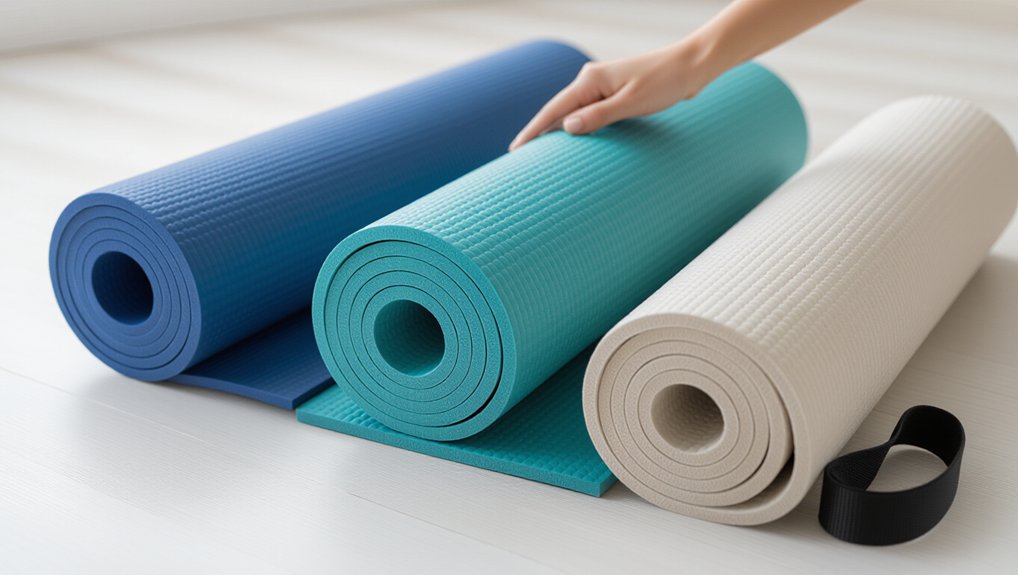
Beyond verifying carbon footprints, buyers should also evaluate practical features—size, thickness, weight, and portability—to ensure the mat suits their routine and environment.
Decision factors include available mat types (standard, long, travel) and thickness options for joint protection versus stability. Length and width must fit practice space and body size; narrower mats hinder balance, shorter mats limit poses.
Weight affects ease of transport; lighter materials aid portability while still offering grip.
Consider folding versus rollable designs and storage needs. Clear comparisons help match specifications to lifestyle, making sustainable choice both functional and convenient.
Measure practice space and test portability options.
Maximizing Comfort and Durability: User Insights and Practical Tips
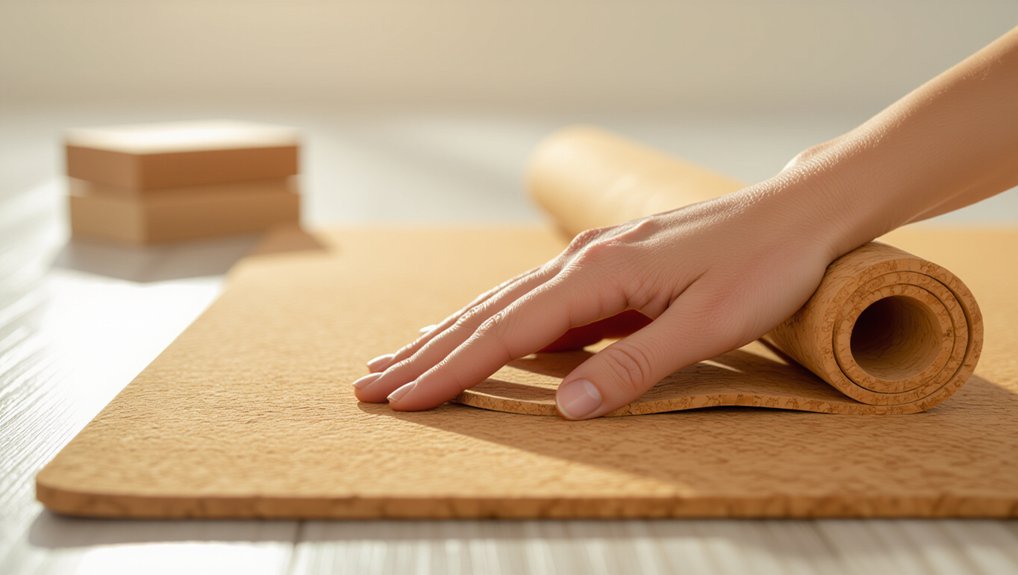
When aiming to maximize both comfort and durability, users should treat the mat’s 6mm TPE construction and rippled non-slip surface as a starting point for adjustments rather than a complete solution.
Practitioners are advised to use supplemental cushioning for prolonged kneeling, test grip on various floors, and rotate the mat to distribute wear.
Incorporating user feedback can guide small habits: cleaning routine, avoiding direct sun, and pairing with a strap for transport.
Simple comfort adjustments—like layering a towel for sweat management or using socks with grip—extend lifespan and maintain performance without compromising eco-friendly benefits.
Results reward consistent care daily.
Conclusion
Readers are encouraged to choose a recyclable TPE yoga mat that balances grip, cushioning and portability; by using the rippled non‑slip surface for stability, maintaining routine cleaning and proper drying, and selecting appropriate size and thickness, practitioners can expand yoga, Pilates and calisthenics safely while protecting joints. With carbon‑free certification and simple care, users support sustainability and longevity—transforming workouts into mindful, eco-conscious practice without sacrificing comfort or performance and enhancing long-term wellbeing and daily resilience.